Found Mold? Start With This Checklist
A dark patch on a wall. A musty smell in the basement. A ceiling stain that keeps growing. Any of these can mean mold, and any of them is worth a closer look.
Stomachparticipation Mold Help is a referral service for homeowners in Cleveland, OH. We do not do the work. We connect you with independent local providers who inspect, test and remove mold.
Here is the short version of what to do:
- First: Note where you see or smell it. Take photos.
- Next: Find the water source. Mold needs moisture to grow.
- Then: Request a callback to check provider availability, or request an estimate.
- After that: Ask for a written quote that lists the steps.
- Last: Ask the provider for an upkeep list so the problem stays fixed.
Get Started
Try not to scrub or spray large moldy areas yourself. That can spread spores. Keep the area closed off and let a provider look at it first.
Not ready to talk? That is fine. You can send a request and share a few details at your own pace.
Get Started
How It Works
What Stomachparticipation Mold Help Does
Stomachparticipation Mold Help is a matching service. You tell us what you found. We point you to a local provider in our network that fits the job. There is no obligation to hire anyone.
What the Provider Does
The provider is an independent business. They do the inspection, the testing and the removal. They set the schedule and write the quote. Ask them about any credentials they hold, and ask what a certified mold testing visit would include.
The Steps, in Order
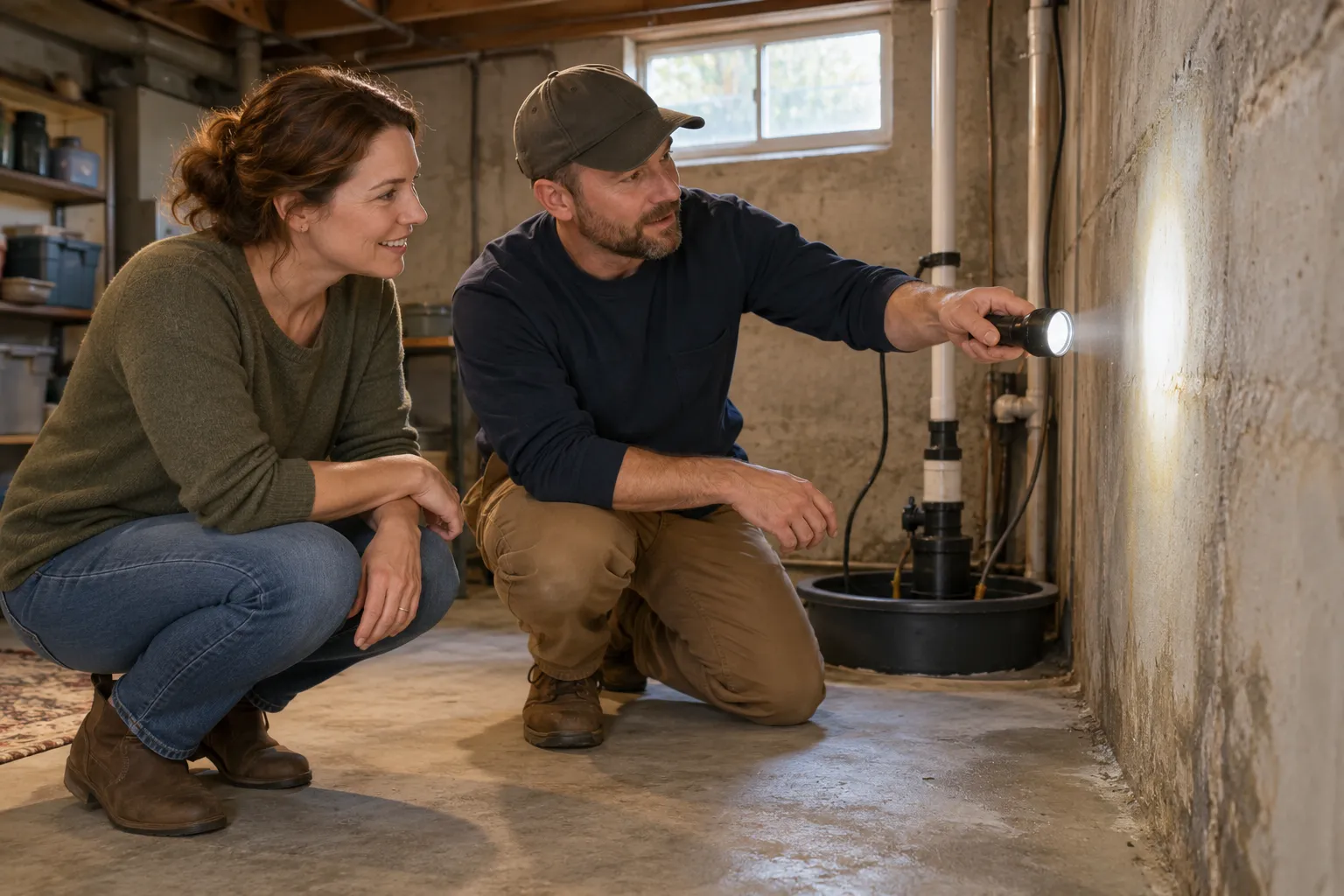
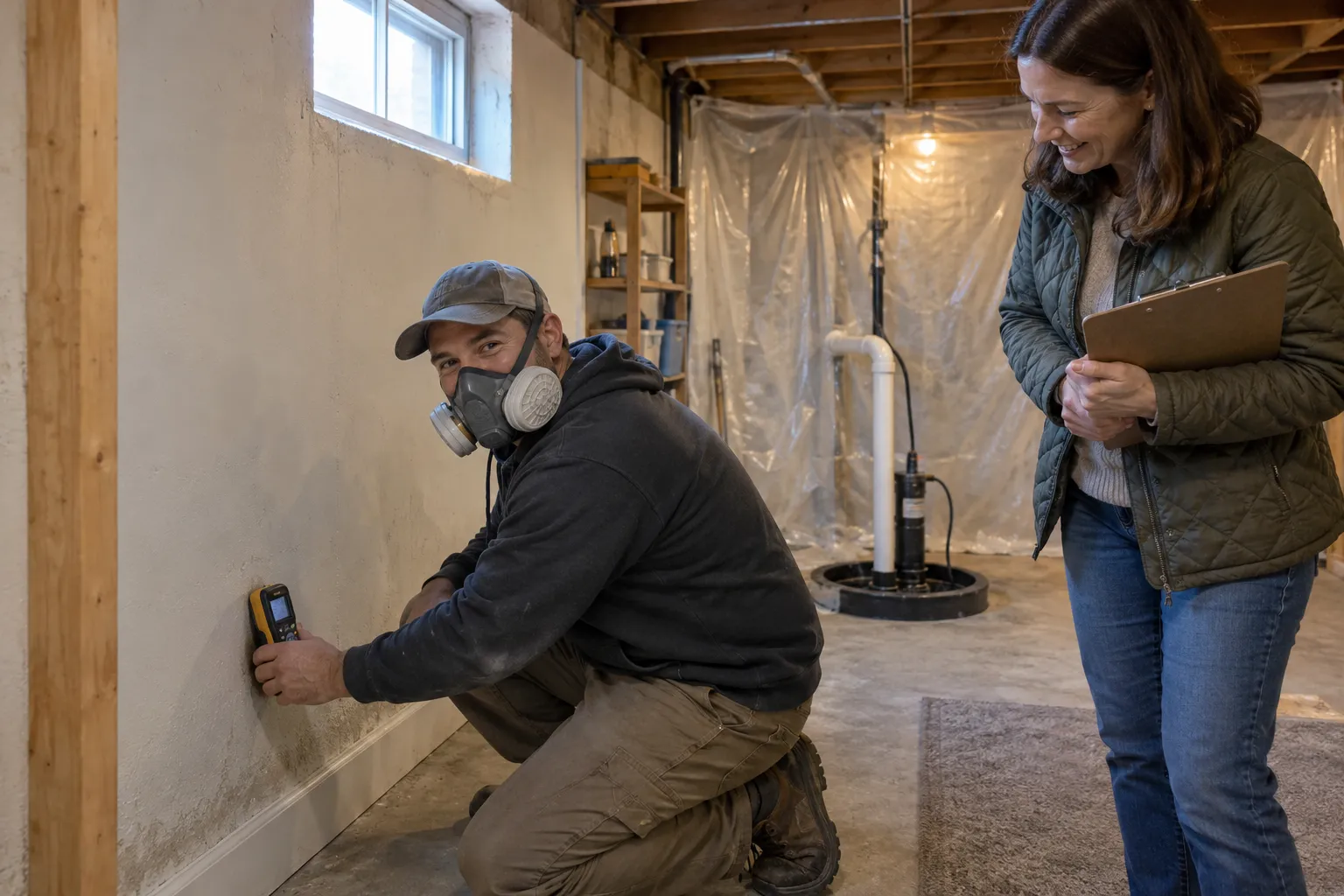
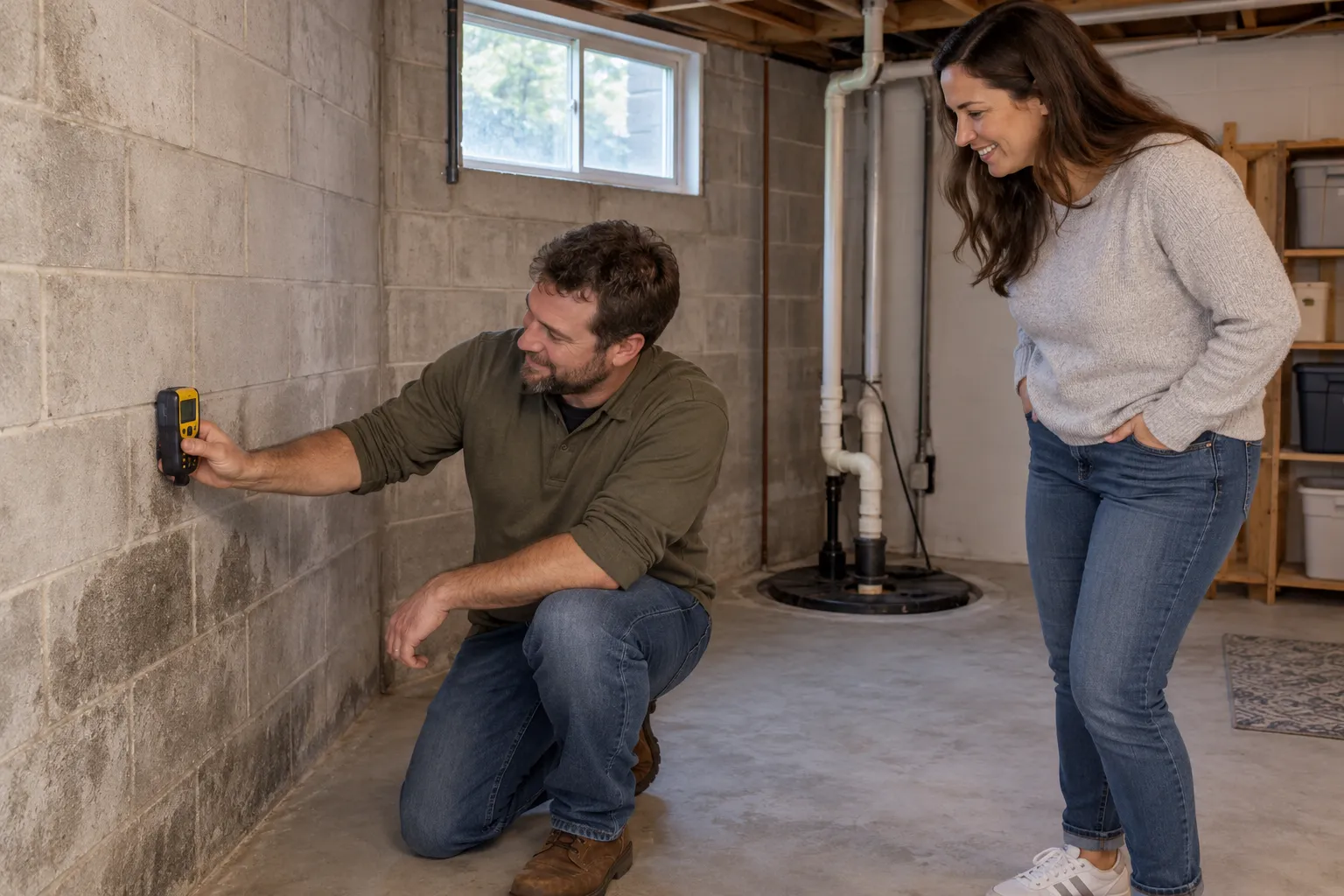
- Step 1: Inspect. A provider looks for moisture and mold. Searching mold inspection near me is a common way to start.
- Step 2: Test. Air or surface samples can show what type of mold is present and how much.
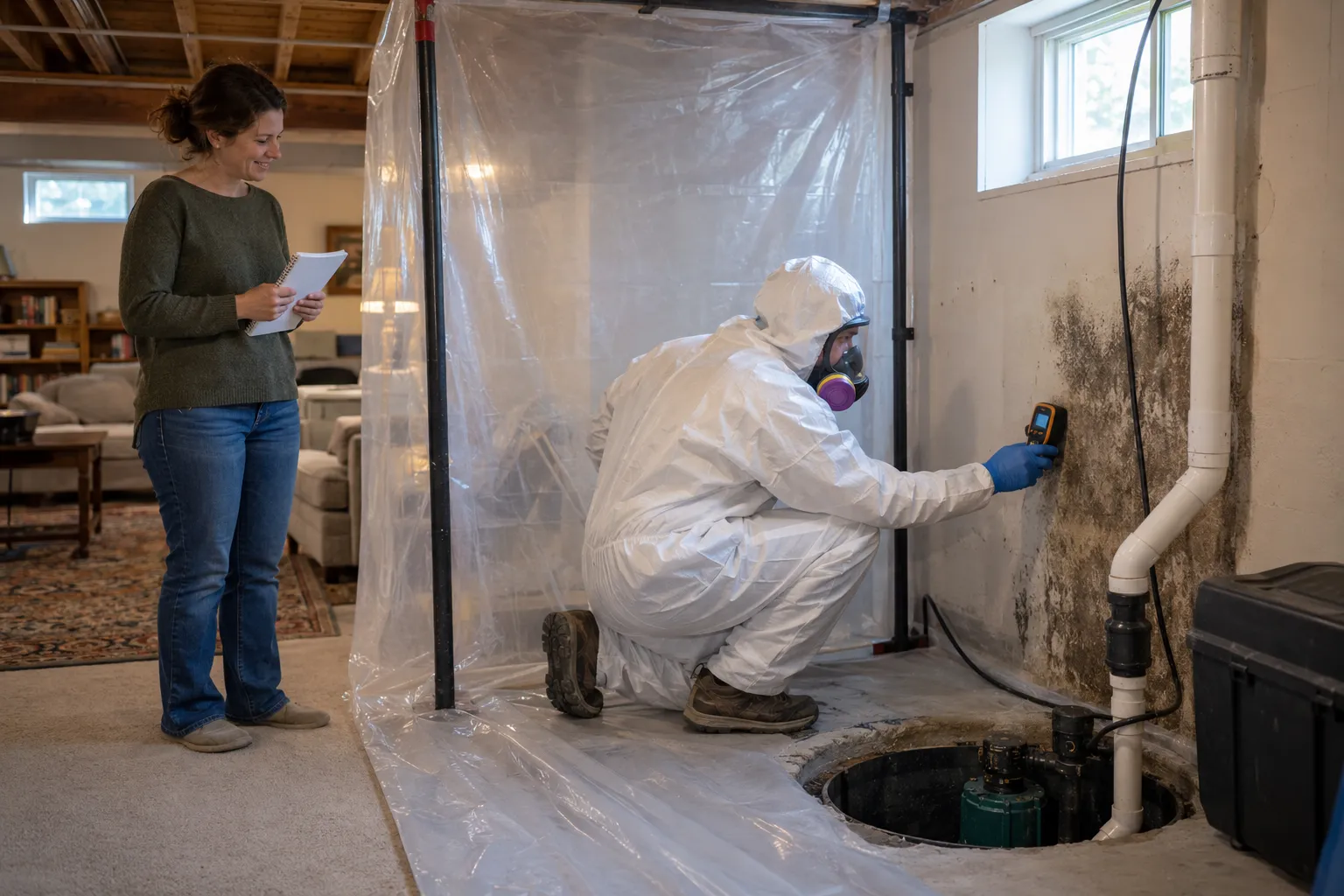
- Step 3: Remove. The provider seals off the area, removes mold and dries the space.
- Step 4: Repair. Damaged drywall, trim or insulation is replaced.
- Step 5: Prevent. You get a plan to control moisture so mold does not return.
Why Step 5 Matters
Removal clears the mold you have. It does not fix the reason it grew. A leak, a damp crawl space or a weak sump pump can bring mold right back. A good job ends with the cause fixed and a simple upkeep routine.
Serving Cleveland and Nearby
Stomachparticipation Mold Help covers Cleveland and the Cleveland area. Homes here vary. Some are frame houses that are many decades old. Others are bungalows and ranch homes with full basements and sump pumps.
Each type of home has its own weak spots:
- Older frame homes: Gaps around windows and aging roofs let moisture in.
- Bungalows and ranches: Low rooflines and basements can trap damp air.
- Full basements: Sump pump trouble and spring flooding are common causes.
When you reach out, share your home type and where the mold is. That helps match you with a provider who knows these layouts.
Request a callback to check provider availability in your part of the area.
Get Started
Prefer to write it all down first? Send a request instead.
Get Started
A Year-Round Mold Prevention Checklist
Why Seasons Matter
Mold follows the weather. Cold winters, hot humid summers, storms and spring melt all bring moisture in different ways. Timing your checks to the season is the easiest way to stay ahead.
Winter: Watch for Condensation
Deep frost cools walls and windows. Warm indoor air then leaves water on cold surfaces.
- Check window frames and corners of exterior walls.
- Look in the attic for frost or damp insulation.
- Run bath and kitchen fans.
Spring: Flood and Melt Season
Snowmelt and heavy rain push water toward the foundation.
- Test your sump pump before the thaw.
- Clear gutters and aim downspouts away from the house.
- Check basement walls and floors for damp spots.
Summer: Humidity Control
Hot, humid air lets mold grow fast in basements and closets.
- Use a dehumidifier in damp rooms.
- Keep the air conditioner drain clear.
- Many people aim to keep indoor humidity below about 50 percent.
Storm Season: Roofs and Hail
Severe thunderstorms and hail can damage shingles and flashing. Small leaks often show up weeks later as stains or odors. After a big storm, check ceilings and the attic.
Fall: Get Ready
Clean gutters, check the roof and seal gaps before winter. Fix small leaks now so they do not feed mold in the cold months.
After the Repair: Keep It Fixed
Ask your provider for a written upkeep list. Keep your moisture photos and notes. A quick monthly check of the basement, attic and under sinks is often enough to catch trouble early.
What It May Cost
Typical U.S. ranges vary by job. Inspections often run a few hundred dollars. Lab samples add a modest fee each. Removal can range from several hundred dollars for a small area to several thousand for larger or hidden growth. Always get a written quote.
Insurance Notes
Some policies may cover sudden damage, such as a burst pipe. Slow leaks are often treated differently. Check your policy. Providers can often help document damage for a claim.
Ready to Take Step One?
Pick the path that suits you. Request a callback to check provider availability and ask your questions. Or send a request with a few details about the mold, the room and your home.
Get Started
Either way, you can compare a written quote before deciding. There is no obligation.
Get Started